Berlin Nights: Clubs, Underground Music, and Late-Night Culture
Piper Redding
2025-12-21
6 min read
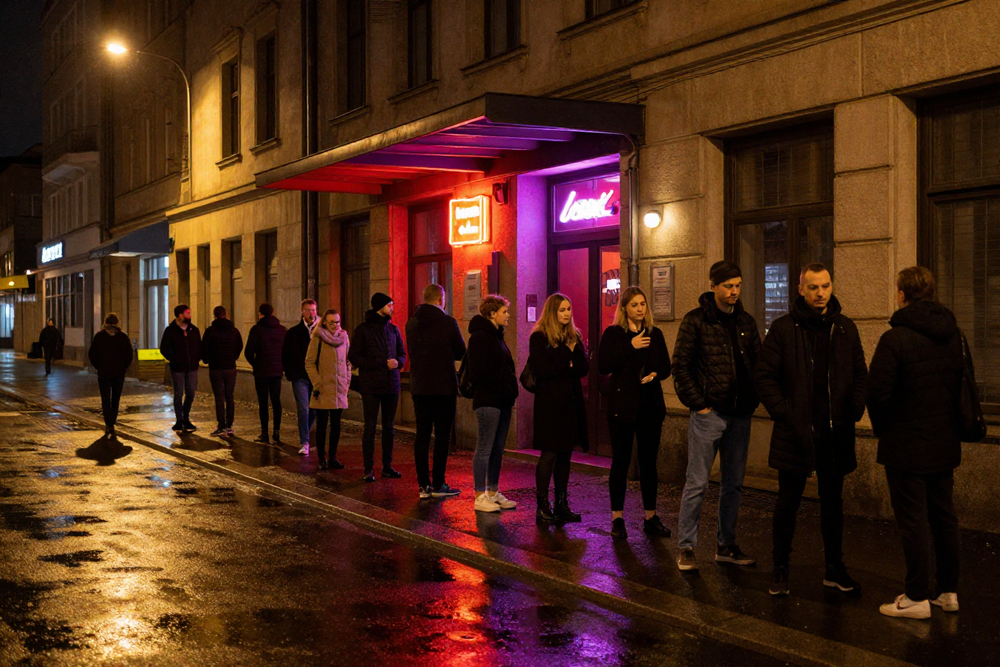
Berlin is a city that truly comes alive after dark. Its nights are legendary, pulsating with an energy that has earned it a reputation as one of the world’s most dynamic nightlife capitals. From the thumping beats of techno in sprawling underground clubs to the eclectic mix of bars and late-night hangouts tucked into old industrial buildings, Berlin offers an experience that is as much about culture as it is about music. For those who crave the nocturnal pulse of a city that never seems to sleep, Berlin delivers an intoxicating blend of freedom, creativity, and unrelenting rhythm.
The Allure of Berlin’s Clubs
Berlin’s club scene is unlike anywhere else in the world. Legendary venues such as Berghain, Sisyphos, and Tresor have become institutions, celebrated for their immersive music experiences and unconventional approach to nightlife. Berghain, often described as the mecca of techno, is more than just a nightclub—it’s a cultural phenomenon. Its austere façade, notorious door policy, and vast industrial interiors create a sense of anticipation that heightens the experience once inside. The music, a relentless stream of deep, hypnotic beats, draws attendees into a communal trance that lasts until the early hours of the morning and often beyond.
Sisyphos, with its sprawling outdoor areas and festival-like atmosphere, offers a contrasting but equally captivating vibe. The venue transforms the industrial outskirts of Berlin into a playground of light, sound, and movement. Meanwhile, Tresor, one of the pioneers of Berlin techno, retains the raw, gritty charm that has defined the city’s underground scene since the fall of the Berlin Wall. These clubs are not merely places to dance—they are sanctuaries of self-expression, where boundaries dissolve and music becomes the guiding force of the night.
Underground Music and Subcultures
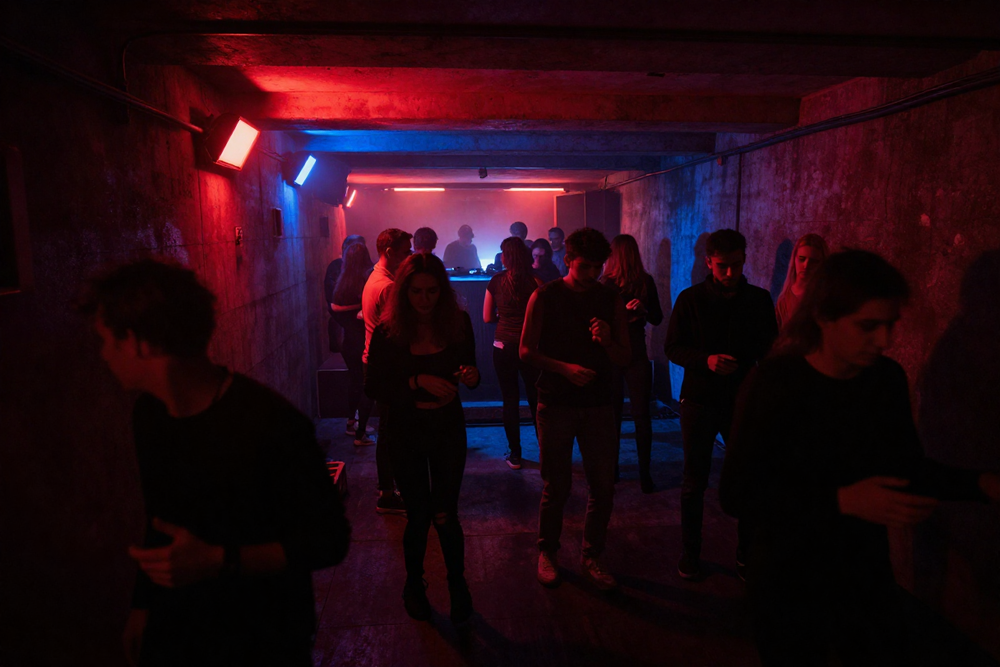
Berlin’s nightlife is inseparable from its underground music scene. The city has long been a magnet for musicians, DJs, and artists seeking a space to experiment. From techno and house to experimental electronic sounds and ambient grooves, the city’s clubs nurture a diversity of musical expression that is rare in other major cities. It is in these underground circuits that Berlin’s true nocturnal identity reveals itself—a tapestry of subcultures, each with its own aesthetic, ethos, and social rituals.
In addition to music, Berlin’s underground spaces often host immersive art installations, pop-up performances, and avant-garde events. These gatherings attract a crowd that thrives on creativity, spontaneity, and a willingness to embrace the unconventional. The fusion of music, art, and alternative lifestyle creates an environment where each night feels unique, a temporary escape from the mundane rhythm of everyday life.
The Culture of Late Nights
What sets Berlin apart is not just the music or the venues, but the city’s relationship with time. In Berlin, nightlife stretches far beyond the conventional Friday-to-Saturday schedule. Clubs frequently stay open for 24 hours, and parties can stretch across entire weekends, blending seamlessly with the city’s daytime culture. This approach fosters a distinctive rhythm, where social connections, artistic encounters, and musical exploration can happen without the constraints of a ticking clock.
Berlin’s late-night culture also extends beyond its dance floors. Cozy bars, hidden cocktail lounges, and street-side eateries contribute to the nocturnal landscape. In districts like Kreuzberg and Neukölln, the night is dotted with intimate venues that encourage lingering conversations, experimental performances, and a casual mingling of locals and visitors. The city’s café culture transforms at night, offering spaces where ideas are exchanged as freely as drinks are poured, and where creativity is nourished under the dim glow of late-night lamps.
A Sense of Freedom and Community
One of the most striking aspects of Berlin’s nightlife is its openness. The city has cultivated a space where self-expression is celebrated, judgment is minimal, and participation is encouraged on one’s own terms. This inclusivity is part of the city’s underground ethos, a holdover from its historical roots as a divided city where art and culture flourished in alternative spaces. Nightlife in Berlin is not simply about entertainment—it is a form of social experimentation, a space where identities can be explored and communities can form around shared experiences of sound, movement, and atmosphere.
The communal aspect of Berlin nights is evident on the dance floor, where strangers synchronize to the rhythm of a track, and in the informal networks of artists, musicians, and creatives who keep the city’s scene vibrant. Here, the boundaries between audience and performer blur, creating a dynamic interaction that fuels the city’s reputation as a global hub for underground culture.
Experiencing Berlin After Dark
For visitors eager to explore Berlin’s nights, preparation requires more than a guidebook; it requires an openness to spontaneity. The best experiences often emerge through wandering, discovering hidden courtyards, following faint music trails down unmarked staircases, or accepting an invitation to a secret party. While iconic clubs are essential landmarks, the true spirit of Berlin nightlife lies in its unpredictability. Every street corner, every graffiti-adorned building, and every dimly lit venue offers a potential encounter with the city’s nocturnal magic.
Berlin’s nights are an invitation to immerse oneself in a world where music, art, and human connection converge. For those willing to surrender to the rhythm, Berlin offers a nocturnal journey that lingers long after the lights come up, leaving an indelible mark on the soul of anyone who experiences it.