How to Build a Packing List That Actually Matches Your Travel Style
Robert Kim
06/27/2026
5 min read
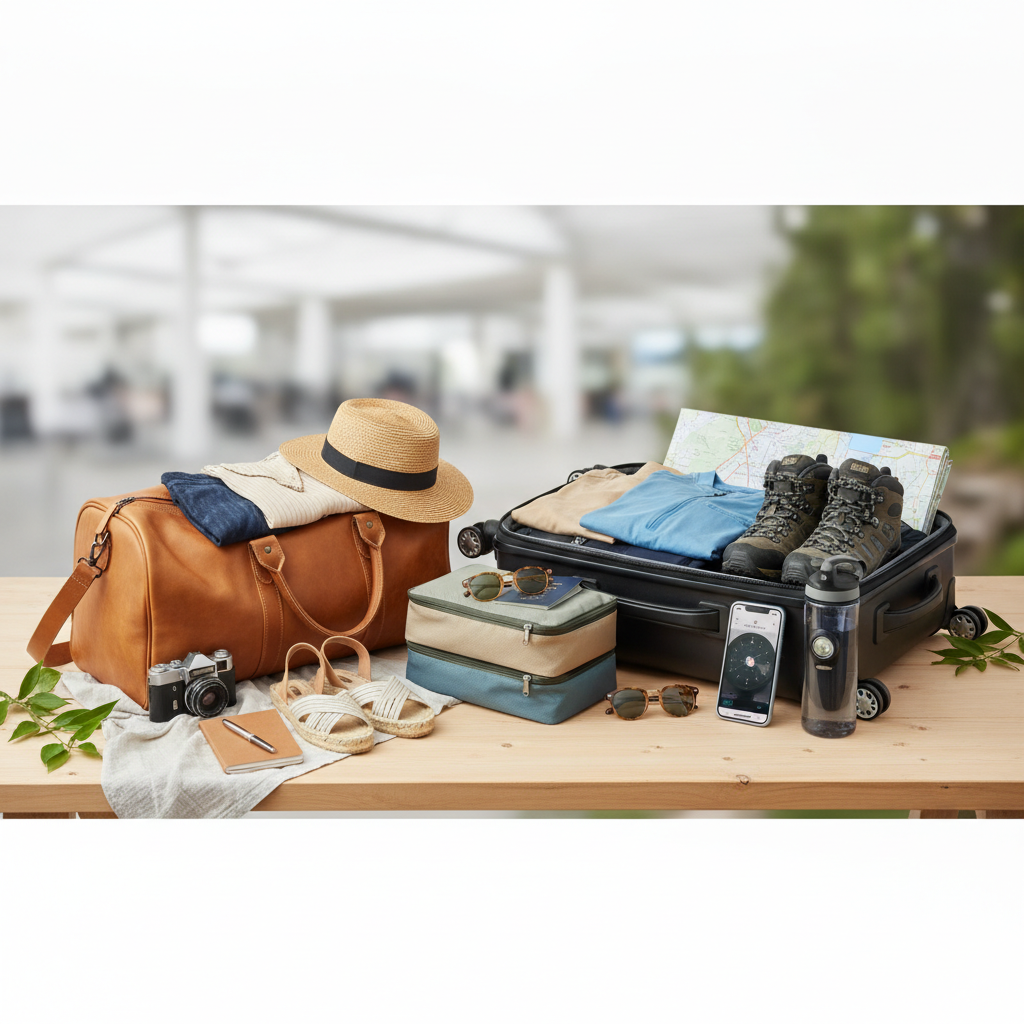
Generic packing lists are everywhere — and most of them are quietly useless. They tell you to bring a universal adapter and a first aid kit while completely ignoring whether you're heading to a boutique hotel in Lisbon or a tent campsite in Patagonia. The problem isn't that you forget things; it's that the lists you're working from weren't built with your trip in mind.
Building a packing list that actually works means starting with who you are as a traveler, not who some imaginary checklist assumes you'll be. The good news is that it doesn't take much to get there — just a slightly different approach to the whole process.
Start With Your Travel Personality, Not Your Destination
Before you write down a single item, think honestly about how you actually travel. Are you the type who wanders all day on foot, or do you spend long stretches in cafés with a laptop? Do you dress up for dinner, or do you rotate three comfortable outfits the entire trip? Your answers shape everything. A light packer who thrives on spontaneity needs a fundamentally different list than someone who plans every day in advance and values having options. Naming your travel personality first gives your list a filter it can run through.
Audit Your Last Trip Before You Pack the Next One
Think back to your most recent trip and ask one honest question: what did you never touch? Most travelers carry sunscreen they didn't open, books they didn't read, and backup shoes that stayed in the bag the whole time. That unused corner of your suitcase is valuable data. Before you start fresh, go through what you brought last time and cross off anything that didn't earn its weight. This single habit will do more for your packing efficiency than any new organizational system.
Build Around Your Biggest Daily Activity
Every trip has an anchor activity — the thing you'll be doing most of the time. For some people it's hiking; for others it's eating at restaurants, attending a conference, or riding trains between cities. Your packing list should be organized around that anchor first, with everything else layered in afterward. If you're spending most of your time outdoors, your clothing and gear choices flow naturally from that. If your trip is primarily urban, comfort for walking and a couple of versatile pieces for evenings cover most of your needs. Resist the urge to pack for every hypothetical scenario.
Use a Packing App as a Starting Template, Not a Final Answer
Apps like PackPoint or TripList are genuinely useful — but only if you treat them as a rough draft. They generate suggestions based on your destination and weather, which is a decent starting point. What they can't account for is your specific habits, your tolerance for re-wearing clothes, or the fact that you always run cold on planes. Pull up the suggested list, then spend ten minutes editing it aggressively. Delete what doesn't apply, add your personal non-negotiables, and adjust quantities to reflect how you actually travel rather than how a generic traveler might.
Think in Outfits, Not Individual Items
Packing clothes as individual items almost always leads to overpacking. You end up with five tops and three bottoms that don't actually combine into five outfits — just a pile of options that adds weight and takes up space. Instead, lay out the outfits you plan to wear and pack backward from there. A trip to a city like Porto or Copenhagen usually needs far fewer pieces than most people pack, especially when you choose neutrals that work together. Thinking in complete looks forces you to be intentional and tends to reveal how little you actually need.
Create a Non-Negotiables Section That Never Changes
Every traveler has a short list of things they absolutely cannot function without — a specific face wash, a neck pillow, noise-canceling headphones, a journal. These items belong in their own permanent section at the top of your list, separate from everything else. You never have to rethink them; they just go. Brands like Bose and Kindle have made travel versions of everyday items specifically because some things genuinely improve the experience. Keeping your non-negotiables locked in saves mental energy and ensures you don't accidentally leave behind the things that matter most.
Adjust Your List for Trip Length, Not Just Destination
Destination gets most of the attention, but trip length changes your packing equation significantly. A four-day trip and a fourteen-day trip to the same city don't require the same list — they require the same base items, with a different approach to laundry and replenishment. For longer trips, building in a laundry day and packing lighter actually makes more sense than trying to bring enough to avoid it. Many experienced travelers find that a carry-on works just as well for two weeks as it does for four days, once they stop packing for days they won't need extras.
Revisit and Refine After Every Trip
The best packing list is a living document, not a one-time creation. After each trip, spend a few minutes noting what you wished you'd brought, what you never used, and what you'd do differently. Keep a simple note in your phone or a document in Google Drive where you can update your list between trips. Over time, you'll build something that's genuinely tailored to you — refined by real experience rather than pre-trip anxiety. That list becomes a reliable tool rather than a source of stress.
Building a packing list that fits your travel style is really just a matter of paying attention to your own habits and being willing to edit. Start small — even reviewing your last trip's unused items is enough to make your next list meaningfully better. The more you travel with intention, the lighter and more confident you'll pack.