How Building a Trip Around a Single Recurring Local Event Shapes a More Memorable Itinerary Than Sightseeing Lists
Robert Kim
07/28/2026
4 min read
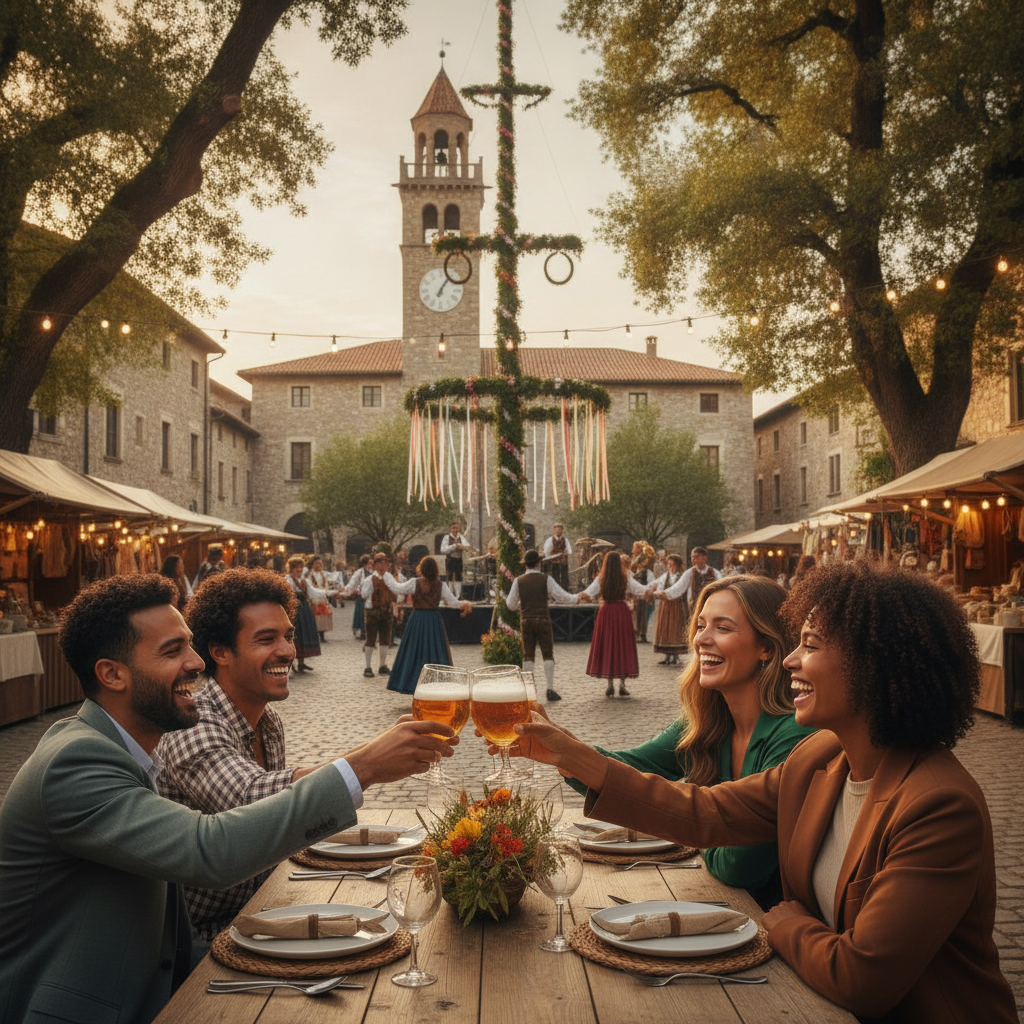
Most memorable trips are not remembered for how many landmarks were photographed. They are remembered for a moment — a feeling of being inside a place rather than passing through it. That distinction is subtle but significant, and it often comes down to how the trip was organized in the first place.
When a List of Sights Becomes a Checklist
There is a familiar pattern in trip planning: pull up a well-known travel resource, compile the top-rated attractions, and build a schedule around covering them all. It feels productive. It looks thorough. But what often results is a kind of surface-skimming — moving from monument to museum to viewpoint without ever settling into the rhythm of a place. The itinerary becomes a checklist, and completion becomes the goal rather than experience. Time gets spent in the longest queues, often shared with hundreds of other visitors following the exact same list.
What a Recurring Local Event Actually Offers
A recurring local event — whether it is a weekly open-air market, a monthly neighborhood film screening, or a seasonal festival tied to a regional tradition — operates on a completely different logic. It happens on its own schedule, for its own reasons, with an audience that largely consists of the people who actually live there. Attending one means stepping into something that was not arranged for tourists. The mercato settimanale (weekly market) in smaller Italian towns, for instance, is not staged for visitors — it is where residents buy produce, argue good-naturedly over prices, and catch up with their neighbors. Showing up means witnessing something real.
The Itinerary That Builds Itself Outward
One of the practical advantages of anchoring a trip around a recurring event is that everything else tends to organize itself around it. If a Sunday morning flea market in a particular neighborhood becomes the fixed point, accommodation choices shift toward that area. Nearby cafés become the natural spots for breakfast before and after. Exploring the surrounding streets the day before starts to feel purposeful rather than random. The event gives the trip a center of gravity — a reason to be in a specific place at a specific time — and the rest of the itinerary radiates outward from there rather than sprawling in all directions.
How Timing Changes the Texture of a Place
Recurring events also create a relationship with time that pure sightseeing rarely does. Knowing that the Porta Palazzo market in Turin fills its stalls on weekday mornings, or that a particular neighborhood in Oaxaca holds its tianguis (a traditional Mesoamerican open-air market) on a fixed day each week, gives a traveler a reason to arrive at a certain moment and experience a place in a particular state of activity. Cities and towns transform throughout the week. A square that feels quiet on a Tuesday can become electric on a Saturday. Building a trip around that rhythm means experiencing the place as it actually lives, not simply as it appears.
The Difference Between Observing and Participating
There is a meaningful distinction between watching a place and participating in it, even at a low level of engagement. Attending a recurring local event — especially one that involves buying, tasting, listening, or simply moving through a crowd with a shared purpose — creates a kind of light participation. It is not the deep cultural immersion of extended stays, but it is far more textured than standing in front of a famous façade with a camera. Farmers markets, neighborhood food fairs, weekly craft gatherings, and seasonal cultural celebrations like the Fête de la Musique (France's annual national music festival held each June) all invite this kind of easy, unforced engagement.
Finding the Right Event Before You Book
The research process for this kind of trip planning is different from scanning a highlights list. It involves looking at local community calendars, regional tourism boards, and neighborhood-level social platforms rather than global travel aggregators. Apps like Eventbrite capture some recurring events in larger cities, but for smaller or more local gatherings, searching directly for city-specific blogs or regional cultural organizations often yields more useful results. The goal is to find something that happens reliably — weekly, monthly, or seasonally — so that the trip can be scheduled around a confirmed date rather than built on uncertainty.
Letting the Event Anchor Your Sense of the Place
When you begin planning your next trip, consider starting not with a list of attractions but with a single question: what happens there on a regular basis that the people who live there actually attend? That question leads somewhere different. It points toward a Sunday morning in a covered market hall, a Thursday evening outdoor concert series, a weekend craft fair that takes over a central plaza every few weeks. Choose one. Build the accommodation around it. Let the days before and after it breathe. What tends to emerge is an itinerary that feels shaped by the place itself rather than imposed upon it — and that is what makes the difference between a trip that was completed and a trip that is still remembered years later.