Why Choosing One Neighborhood as a Base Instead of Maximizing Destinations Rewires a Trip
Robert Kim
07/10/2026
4 min read
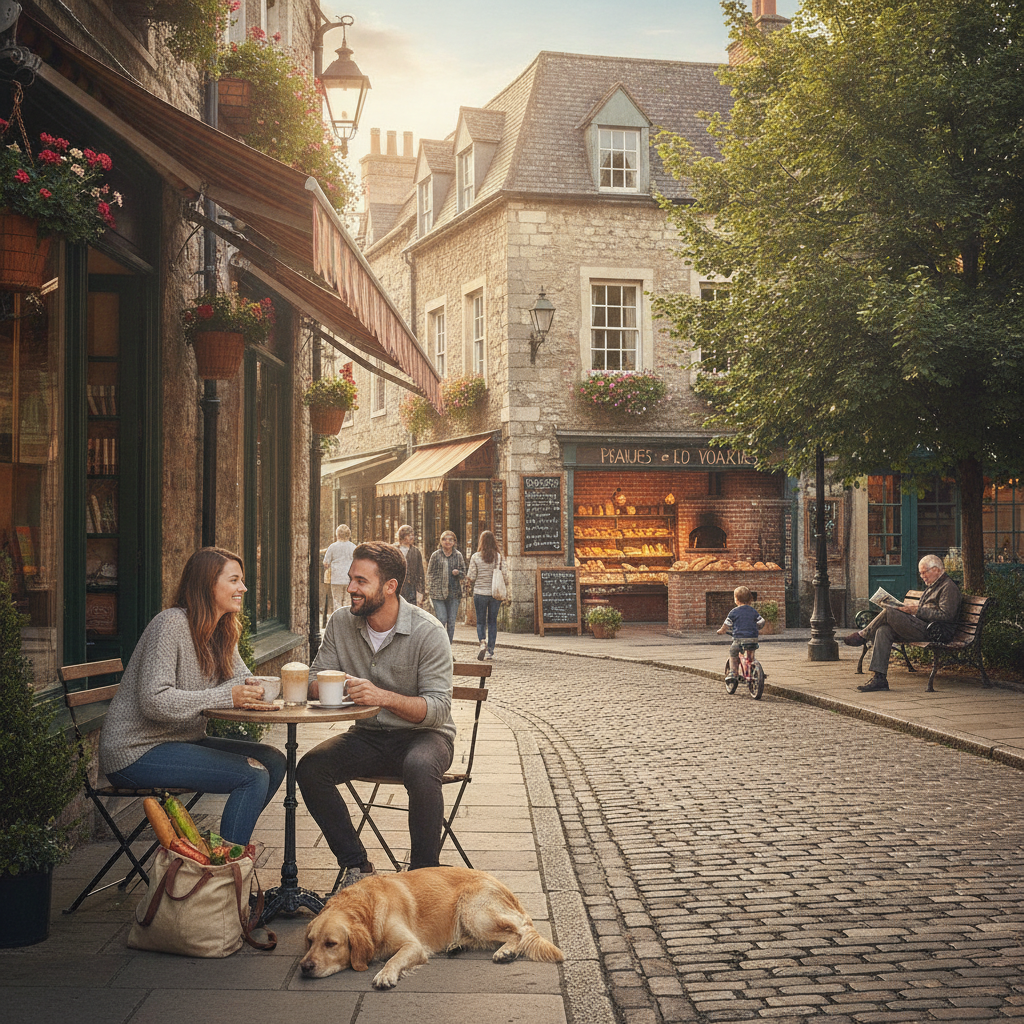
Most travelers approach a new city the way they approach a buffet — more variety means more value. The logic seems reasonable on the surface: see as much as possible, cover the landmarks, move efficiently between districts. But the travelers who return from a trip feeling genuinely rested and connected to a place often did something counterintuitive. They stayed put.
The Problem With Destination Maximizing
The impulse to maximize destinations is deeply ingrained in how most people plan trips. When a city has ten distinct neighborhoods, the instinct is to sample all ten. What this produces, though, is a kind of geographical skimming — surface-level impressions of many places rather than any real familiarity with one. Days get structured around transit logistics rather than actual experience. Energy that could go toward curiosity and presence gets absorbed by constant reorientation. The trip becomes efficient by the numbers and hollow in memory.
What a Single Base Actually Provides
Choosing one neighborhood as a base fundamentally changes the relationship a traveler has with a place. After two or three days in the same area, patterns start to emerge naturally. A person begins to recognize the bakery that fills up early, the quiet street that cuts between main roads, the corner where locals tend to gather in the late afternoon. These small accumulations of knowledge are exactly what makes a place feel real rather than performed. Neighborhoods like Le Marais in Paris or Pigneto in Rome reward this kind of repeated presence with a texture that a single pass-through can't provide.
How Familiarity Reduces Decision Fatigue
One underappreciated benefit of staying rooted is how much it simplifies daily decisions. When a traveler knows their immediate surroundings, the low-stakes choices — where to get coffee, which direction to walk, where to sit for an hour — stop requiring research. That mental bandwidth doesn't disappear; it redirects toward more meaningful engagement. Conversations become easier when a person isn't mentally mapping their next transit connection. Meals feel less like tasks to be optimized and more like experiences to be absorbed. The day opens up in a way that constant movement doesn't allow.
The Practical Geography of Staying Local
Choosing a base neighborhood works best when the area itself has some internal variety. A single block with nothing but hotels is a poor anchor point. The better approach is selecting a neighborhood with its own rhythm — morning markets, local restaurants, a mix of residential and commercial streets. In cities like Lisbon, staying in Mouraria rather than near the main tourist corridor puts a traveler inside actual neighborhood life rather than adjacent to it. Apps like Komoot or AllTrails can help identify walkable areas with genuine character, turning proximity into daily discovery rather than inconvenience.
Day Trips as Deliberate Departures, Not the Default
Adopting a neighborhood base doesn't mean staying in one place for an entire trip. Day trips to other parts of a city or to nearby towns remain entirely worthwhile — but they shift in character. Instead of feeling like the point of the trip, they become departures from a known place. Returning to a familiar neighborhood after a long day out carries a different quality than checking into a new hotel every two nights. There's something grounding about knowing where things are, which restaurant might still have a table, which route home is the quieter one. That return creates continuity, and continuity shapes memory.
Making the Neighborhood Base Strategy Work for You
If you want to try this approach, start with research rather than habit. Instead of searching for hotels near the main attractions, look at which neighborhoods have the infrastructure for actual daily living — a market, a mix of dining options, easy access without being the center of tourist activity. Read recent visitor accounts from travelers who stayed in residential areas. Consider the geometry of the city: in a place like Barcelona, staying in Gràcia puts you close enough to reach anything while keeping you inside a neighborhood that has its own pulse. Book at least four nights in one place before moving anywhere else, and resist the urge to plan every day from the first morning. Leave room for the unplanned return visit, the second conversation, the corner you walk past three times before you actually stop.
The broader shift in how travelers approach trips is moving away from checklist thinking and toward something more experiential. Travel planning tools are beginning to reflect this, with more platforms surfacing neighborhood-level guides alongside landmark lists. As short-term rental options continue to expand in residential areas, staying embedded in a local context is becoming easier and more accessible. For anyone willing to trade breadth for depth, a single neighborhood — explored slowly and returned to often — tends to leave a far more lasting impression than ten places visited briefly.