Why Cross-Checking a Sale Item's Original Retail History Before Checkout Reveals Whether the Discount Is Real or Manufactured
Robert Kim
10/15/2026
4 min read
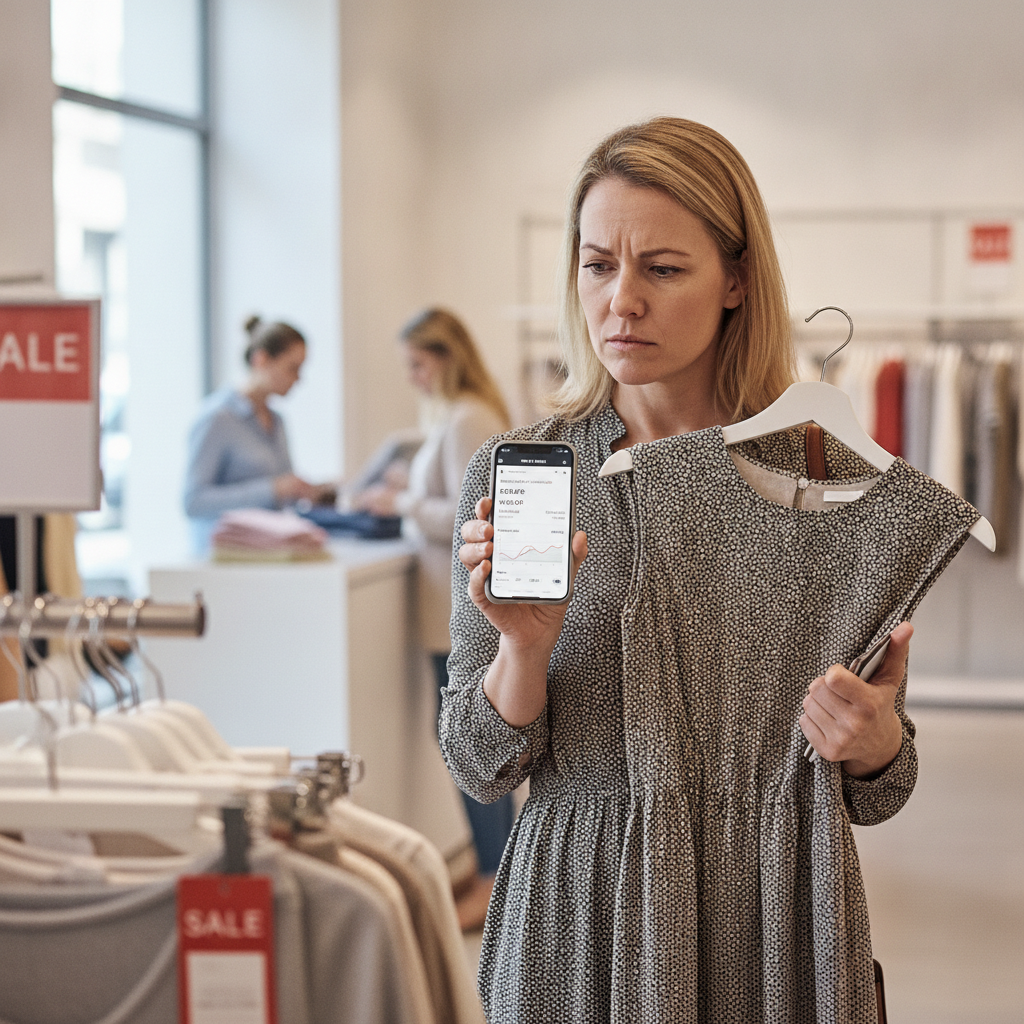
Retail pricing has never been a neutral system. Behind every bold percentage-off badge is a pricing history that either supports the claim or quietly contradicts it — and most shoppers never look.
Understand How Manufactured Discounts Actually Work
Retailers have long understood that the perception of savings drives purchases more reliably than the savings themselves. A product listed at a marked-up "original" price and then immediately discounted creates the illusion of a deal without any actual reduction in value. This practice, sometimes called reference pricing, is especially common during major sale events. The item was never consistently sold at the inflated figure — it was set there specifically so the markdown would look impressive. Knowing this pattern exists is the first step toward not falling for it.
Track the Price Across Multiple Sources Before Acting
The most direct way to verify a discount's legitimacy is to check what the item actually sold for over the past several months. Tools like CamelCamelCamel for Amazon listings or the browser extension Honey allow shoppers to view a product's historical price graph rather than trusting the number displayed at checkout. Google Shopping also surfaces price comparison data across multiple sellers, which can reveal whether a so-called sale price is actually average — or even slightly above it. Spending three minutes on this research before purchasing is often the difference between a genuine saving and an expensive assumption.
Recognize Which Sale Events Carry the Most Inflated Baselines
Not all sale seasons are equally trustworthy. Events like Black Friday, Prime Day, and end-of-season clearances are particularly prone to inflated reference pricing because the cultural expectation of deals creates urgency that overrides scrutiny. Studies of major shopping events consistently show that a meaningful portion of featured "deals" are priced the same or higher than they were weeks earlier. Platforms like Walmart and Best Buy have both attracted attention for this pattern at various points. Recognizing these windows as high-risk for manufactured discounts helps shoppers slow down rather than speed up when the promotional pressure feels highest.
Look at the Item's Category, Not Just the Item Itself
Price inflation before a sale isn't always a product-by-product decision — it often follows category logic. Electronics, bedding, and activewear are categories with well-documented cycles of pre-sale markup. If a jacket from a brand like Patagonia or a kitchen appliance from Breville appears at a steep discount, the reasonable question isn't just whether that specific item was inflated — it's whether that category typically sees artificial elevation before major retail windows. Cross-referencing a product against its category's historical pricing patterns provides a broader and more reliable picture than looking at a single listing in isolation.
Use Retailer-Specific Price Match Policies as a Verification Tool
Price match guarantees, often seen at retailers like Target or Costco, are more than just a customer service feature — they're inadvertently useful as a research tool. If a product qualifies for price matching against a competitor's listing, that competitor's price acts as an independent data point for what the market actually values the item at. When a sale price can't be matched anywhere because every seller shows a similar "original" figure, that's often a signal that the baseline was coordinated or artificially elevated. Actively comparing across platforms rather than anchoring to one retailer's stated original price shifts the evaluation from subjective to comparative.
Build a Simple Pre-Checkout Habit That Filters the Noise
This is where the research translates into a repeatable routine. Before completing any non-urgent purchase over a personal threshold — whether that's thirty dollars or three hundred — run through a short check. Pull up a price history tool, compare the item across at least two other platforms, and look at recent buyer reviews mentioning price or value. If the price history shows stability near the current "sale" figure, the discount is likely real. If it shows a spike in the listed original price in the weeks before the sale, the markdown is manufactured. You don't need to become skeptical of every purchase — just methodical about the ones where urgency is being used to shortcut your judgment.
Smart shopping isn't about distrust — it's about having an accurate read on value before committing. When a discount is real, the price history confirms it, and the purchase feels grounded rather than reactive. When the discount is manufactured, that same three-minute check saves money and the quiet frustration of realizing it later. The habit is small, the payoff is consistent, and it shifts the dynamic from one where urgency controls the decision to one where clarity does.