Home Features to Prioritize for Long-Term Investment
Alexander Gray
2026-01-30
6 min read

Investing in a home is more than selecting a visually appealing property or a competitive price. To ensure that a property continues to appreciate over time, it is essential to focus on features that withstand market fluctuations and remain desirable for future buyers or tenants. A strong investment combines structural integrity, functional design, and aesthetic appeal, creating a foundation for both financial security and long-term value growth.
Structural Integrity and Quality Construction
At the foundation of any long-term investment is the structural integrity of the home. Properties built with durable materials, sound architecture, and adherence to local building codes tend to withstand the test of time. Elements such as solid foundations, high-quality roofing, and reinforced walls are essential for mitigating risks associated with weather, natural disasters, or general wear and tear. Homes constructed with inferior materials or shortcuts in workmanship may require frequent repairs, reducing potential returns and compromising long-term value.Professional inspections are critical in evaluating structural quality. Experienced inspectors can identify issues that may not be visible to the untrained eye, such as minor foundation cracks, water intrusion risks, or substandard electrical and plumbing systems. Addressing these concerns before purchase can prevent costly surprises and enhance the property’s long-term durability.
Layout and Functional Design
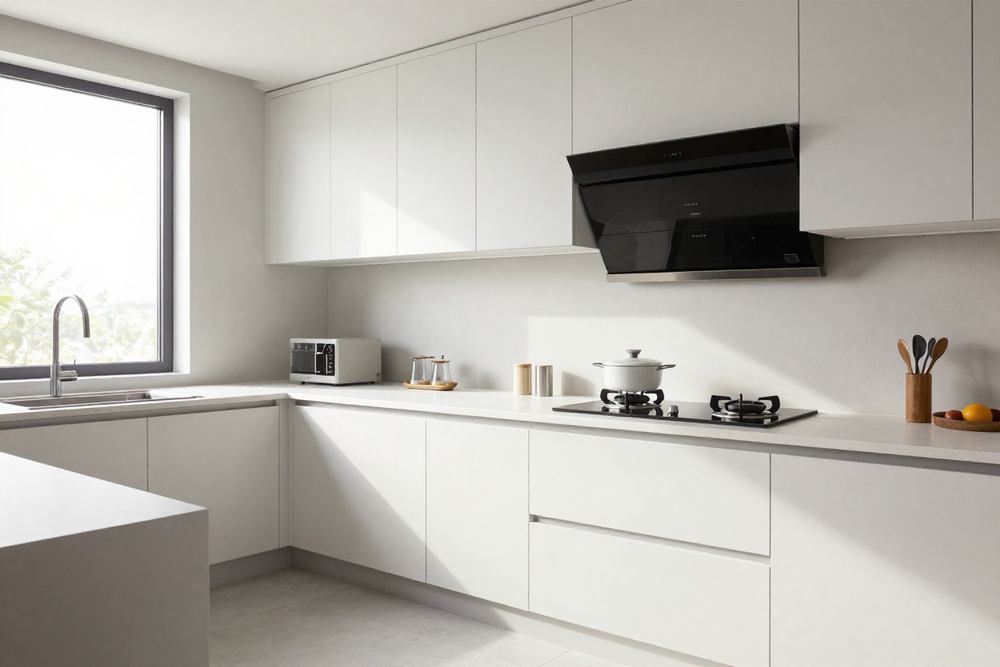
A home’s layout significantly influences its long-term desirability. Functional floor plans that optimize space, natural light, and flow between rooms are more likely to appeal to a wide range of buyers or tenants. Open-concept designs remain popular, offering versatility for family living, work-from-home arrangements, and entertaining. Multiple bathrooms, flexible bedroom configurations, and additional spaces such as home offices or storage areas can increase utility and market appeal.
Investors should consider adaptability when evaluating layouts. Homes that can accommodate changing lifestyles, such as growing families or aging residents, tend to retain value more effectively. Spaces that allow for customization or conversion, like basements or attics, provide added flexibility and can support future renovations to meet evolving demands.
Modern Amenities and Energy Efficiency
Incorporating modern amenities is essential for sustaining a home’s marketability. Kitchens with contemporary appliances, bathrooms with updated fixtures, and technologically integrated features such as smart thermostats or security systems enhance both comfort and resale value. Buyers increasingly expect homes to meet certain standards of convenience and efficiency, and properties that lag behind may face slower appreciation or longer periods on the market.
Energy efficiency is particularly important for long-term investment. Homes equipped with energy-efficient windows, insulation, heating and cooling systems, and sustainable water and lighting solutions can significantly reduce utility costs. Not only does this appeal to cost-conscious residents, but it also aligns with growing environmental awareness, making the property more attractive in markets where sustainability is valued.
Outdoor Spaces and Curb Appeal
The exterior of a home often creates the first impression and strongly influences long-term value. Well-maintained landscaping, outdoor living areas, and inviting entrances contribute to curb appeal and enhance marketability. Features such as patios, decks, gardens, and functional outdoor spaces extend living areas and attract buyers seeking a balanced indoor-outdoor lifestyle.
In addition, location-specific outdoor elements can affect investment potential. For instance, homes with scenic views, proximity to parks, or access to recreational amenities often command higher prices and demonstrate greater resilience in value over time. Regular maintenance of both the interior and exterior is crucial to preserving these advantages.
Safety, Security, and Neighborhood Quality
Long-term investment is also tied to the safety and security of the home and its surroundings. Secure entry points, alarm systems, and well-lit exteriors provide peace of mind for residents and increase a property’s attractiveness. Beyond the home itself, the overall quality of the neighborhood, including low crime rates, reliable infrastructure, and strong community engagement, contributes significantly to sustained property values.
Prospective investors should research local crime statistics, school quality, and community development initiatives to assess the broader environment. A property in a well-regarded neighborhood with good public services and amenities is more likely to appreciate over time and attract long-term tenants or buyers.
Maintenance and Durability of Materials
Longevity in real estate is closely tied to the materials used in construction and finishes. Flooring, cabinetry, countertops, and fixtures that resist wear and tear reduce the need for frequent replacements or repairs. Durable materials such as hardwood, stone, or high-quality composites tend to hold up better than cheaper alternatives, contributing to lower ongoing maintenance costs and higher long-term appeal.
Investors should consider both current condition and potential aging. Features that may require significant upgrades in the near future can erode returns and diminish market desirability. Selecting homes with materials and systems designed for durability ensures that the property remains attractive and cost-effective over the long term.
Future Flexibility and Potential for Upgrades
Finally, long-term value is enhanced by the property’s potential for upgrades or expansion. Homes with sufficient space for additional rooms, extensions, or outdoor enhancements allow investors to adapt the property to changing markets or personal needs. This flexibility not only adds value over time but also provides opportunities to respond to emerging trends, whether through interior modernization, energy-efficient retrofits, or aesthetic improvements.
Properties that can evolve with the needs of their owners or tenants remain relevant in the market, offering sustained appeal and maximizing long-term investment potential.
Selecting a home for long-term investment requires careful consideration of factors that extend beyond location and purchase price. Structural integrity, functional layout, modern amenities, energy efficiency, outdoor appeal, safety, material durability, and upgrade potential all play pivotal roles in sustaining property value. Homes that prioritize these features are more likely to attract tenants or buyers, withstand market fluctuations, and provide financial security over time.
By focusing on qualities that ensure both practicality and desirability, investors can make informed decisions that protect their capital while building assets that endure. A thoughtful approach to home selection not only safeguards the investment but also enhances the overall living experience, creating properties that remain both valuable and enjoyable for years to come.