International Property Values: What Factors Affect Price Trends
Vivian Black
2025-12-16
6 min read
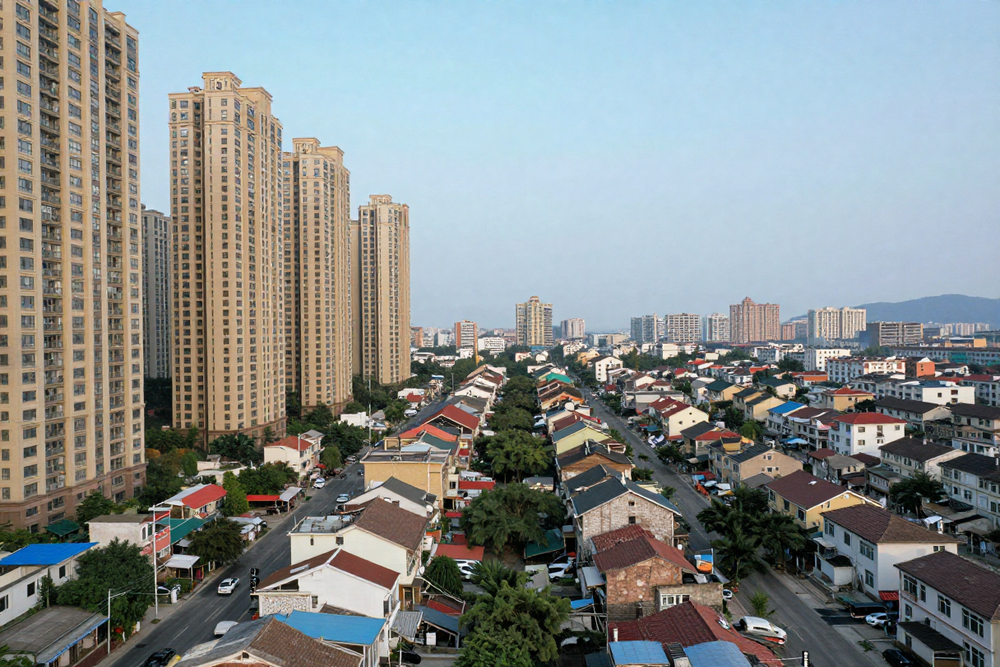
Investing in real estate across international borders has long been a strategy for diversification, wealth preservation, and lifestyle enhancement. Yet, understanding property values in a global context requires more than a cursory glance at price tags or market reports. Property prices fluctuate due to a complex interplay of economic, social, political, and environmental factors. An informed investor or homebuyer must examine these elements carefully to navigate global markets successfully and identify opportunities that align with both financial goals and personal aspirations.
Economic Conditions and Market Stability
The economic landscape of a country serves as a primary determinant of property values. Strong economic growth, low unemployment, and increasing disposable income generally lead to higher demand for residential and commercial real estate, driving prices upward. Conversely, economic stagnation or recession can depress the market, resulting in slower appreciation or even declining values.
Currency stability is particularly important for international buyers. Fluctuations in exchange rates can dramatically alter the cost of a property when purchased in a foreign currency. Countries with volatile currencies may pose higher risks for foreign investors, while stable economies provide a more predictable framework for long-term investment. Interest rates set by central banks also influence property affordability, as high borrowing costs can reduce demand and slow price growth.

Government Policies and Regulatory Environment
Government policies, including taxation, zoning laws, and foreign ownership regulations, have a direct impact on property values. Countries with favorable tax incentives, such as reduced capital gains taxes or exemptions for foreign buyers, often experience increased demand and accelerated price growth. Conversely, heavy taxation or strict foreign ownership restrictions can dampen market activity.
Urban planning and zoning regulations also shape property prices. Areas designated for commercial expansion, infrastructure development, or environmental protection often see shifts in value due to changes in potential use and demand. For instance, a government initiative to build a new transportation hub can significantly boost nearby residential and commercial property prices by improving accessibility and attracting business activity.
Supply and Demand Dynamics
At its core, real estate pricing is influenced by the balance of supply and demand. Scarcity of desirable properties in prime locations often results in higher prices, while oversupply can depress the market. Urban centers with limited land availability frequently command premium prices due to high demand for central living spaces and business premises.
Population growth, migration patterns, and urbanization trends are key drivers of demand. Cities attracting young professionals, international students, or expatriates tend to experience rising property prices as housing supply struggles to keep pace. Similarly, regions with booming industries or tourism sectors may see strong rental and resale demand, further reinforcing upward price trends.
Infrastructure and Accessibility
The quality of infrastructure directly affects property values. Well-connected neighborhoods with access to public transportation, highways, airports, and essential services are generally more attractive to buyers and tenants. Investments in new infrastructure, such as light rail systems, airports, or commercial zones, can lead to rapid appreciation in surrounding real estate.
Proximity to schools, hospitals, shopping centers, and recreational facilities also enhances property desirability. Buyers often pay a premium for convenience and lifestyle benefits, particularly in urban settings. Conversely, areas lacking adequate infrastructure or plagued by poor connectivity may experience slower price growth despite other appealing factors.
Cultural, Social, and Lifestyle Influences
Cultural and lifestyle considerations shape demand and, by extension, property values. Neighborhoods offering vibrant social scenes, renowned cultural institutions, and high-quality dining and entertainment options tend to attract affluent residents and investors. Similarly, regions with strong community engagement, safety, and family-friendly amenities often sustain consistent demand, contributing to steady price appreciation.
Tourism-driven markets are particularly sensitive to lifestyle and cultural appeal. Properties in destinations known for beaches, historical landmarks, or recreational activities often command higher prices, with rental potential tied closely to seasonal visitor influxes. Buyers seeking vacation homes or investment properties must account for these cyclical trends when evaluating market stability.
Environmental and Geographic Factors
Geography and environmental conditions play a growing role in shaping property values. Coastal properties, mountain retreats, and scenic rural areas often carry a premium due to natural beauty and exclusivity. Conversely, locations prone to natural disasters, such as floods, earthquakes, or wildfires, may experience depressed prices or require additional investment in insurance and mitigation measures.
Climate change and sustainability concerns are increasingly influencing international property markets. Properties designed with energy efficiency, water conservation, and environmentally friendly materials are becoming more desirable, potentially enhancing long-term value. Awareness of local environmental risks and regulations is critical for assessing the future stability of property investments.
Global Trends and Investment Sentiment
International property markets are also affected by macro trends and investor sentiment. Political stability, global economic conditions, and foreign investment flows can create fluctuations in property values. For example, countries experiencing political unrest or uncertain economic policies may see a slowdown in foreign investment, impacting demand and prices. On the other hand, regions emerging as economic hubs or offering strategic incentives for foreign buyers can witness rapid growth in property values.
Investor perception often drives short-term price trends as much as fundamental market conditions. Positive media coverage, favorable regulatory changes, or infrastructural developments can trigger waves of interest, temporarily elevating prices. Conversely, negative sentiment related to geopolitical events, regulatory changes, or economic downturns can result in price stagnation or declines.
International property values are shaped by a multifaceted set of influences that extend far beyond location alone. Economic conditions, regulatory frameworks, supply and demand dynamics, infrastructure quality, cultural appeal, environmental factors, and global trends all converge to determine price trajectories. For buyers and investors, understanding these variables is essential for making informed decisions, mitigating risks, and identifying markets with strong potential for growth.
When examining both macroeconomic forces and local dynamics, international buyers can approach property acquisition strategically, ensuring that investments are aligned with long-term goals, lifestyle preferences, and financial objectives. Ultimately, an informed approach to international property markets not only protects capital but also unlocks opportunities for wealth creation and meaningful engagement with diverse global communities.