Japan: Urban Exploration, Festivals, and Cultural Immersion
Bryson Jenkins
2026-01-27
6 min read
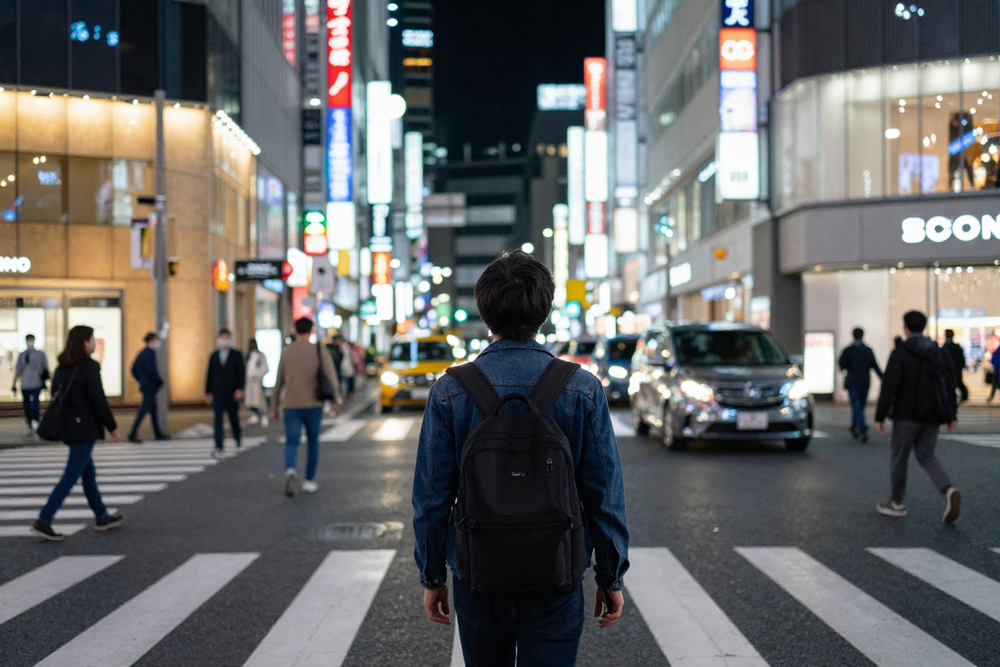
Japan is a land of contrasts, where cutting-edge modernity exists side by side with ancient traditions. Towering skyscrapers, bustling shopping districts, and futuristic technology coexist seamlessly with serene temples, historic shrines, and time-honored customs. For travelers seeking a combination of urban adventure, immersive cultural experiences, and lively festivals, Japan offers a journey that stimulates all the senses. Every region tells a story, inviting visitors to explore, participate, and discover the nuances of a society that values both innovation and heritage.
Exploring the Urban Landscape
Japan’s cities are living mosaics of energy and innovation. Tokyo, the country’s dynamic capital, pulsates with life, offering endless opportunities for exploration. Districts like Shinjuku and Shibuya are a kaleidoscope of neon signs, bustling streets, and lively entertainment, while quieter neighborhoods such as Yanaka preserve a sense of traditional Tokyo with small temples and local artisan shops. Venturing through these contrasting areas allows travelers to experience the city’s multifaceted character, where history and modernity coexist in daily life.
Osaka provides another layer of urban excitement, with its vibrant culinary scene and entertainment districts. Street food stalls, lively markets, and colorful nightlife make the city an ideal place for spontaneous exploration. Kyoto’s urban charm is more subtle, focused on historic streets, traditional tea houses, and ancient temples. Moving through Japan’s cities encourages a balance of observation and participation, revealing the rhythms of daily life and the layers of culture embedded within modern infrastructure.
Immersive Festival Experiences
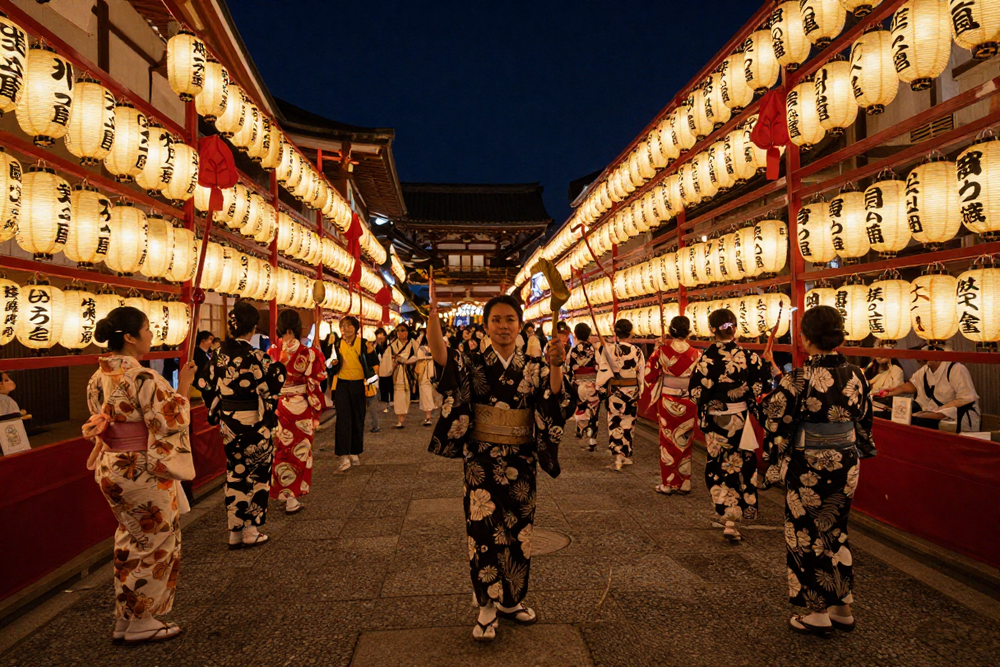
Japan’s festivals, or matsuri, are celebrations of tradition, community, and seasonal change. They provide travelers with opportunities to witness centuries-old customs and join in communal joy. The Awa Odori festival in Tokushima, with its rhythmic dancing and lively music, offers an unforgettable display of local culture. Similarly, the Takayama Festival in Gifu features elaborate floats and processions, showcasing craftsmanship and artistry that have been preserved for generations.
Seasonal festivals are deeply connected to nature and cultural cycles. Cherry blossom season in spring transforms parks and riverbanks into spaces of shared celebration, while autumn festivals highlight the vibrant colors of fall foliage. Attending a Japanese festival is not just an opportunity for entertainment; it is an invitation to participate in traditions, connect with locals, and appreciate the values and stories that have shaped communities over centuries.
Hands-On Cultural Encounters
Engaging directly with Japanese culture adds depth to any visit. Participating in a tea ceremony provides insight into the philosophy, etiquette, and aesthetic principles that define this ancient practice. Learning the art of calligraphy, trying kimono dressing, or taking part in pottery workshops allows travelers to connect with Japan’s creative heritage on a personal level. These experiences emphasize mindfulness, patience, and attention to detail, highlighting the cultural importance of process as much as outcome.
Rural regions, such as the villages in the Japanese Alps or the countryside of Shikoku, offer additional avenues for cultural immersion. Visitors can experience traditional agriculture, taste locally sourced cuisine, and witness crafts passed down through generations. These encounters provide context for urban experiences and highlight the diversity of lifestyles and cultural expressions across the country.
Historical and Contemporary Perspectives
Japan’s unique appeal lies in the seamless blending of historical and contemporary elements. Visiting Hiroshima’s Peace Memorial Park provides a sobering reflection on history, while nearby modern architecture and thriving neighborhoods demonstrate resilience and innovation. Castles, temples, and shrines coexist alongside contemporary museums, art galleries, and technology centers, offering visitors multiple lenses through which to understand Japanese society.
Travel across the country is facilitated by efficient transportation networks, including the Shinkansen bullet trains. These connections make it possible to experience a wide range of environments—from the bustling streets of Tokyo to the peaceful temples of Nara and the scenic beauty of Hokkaido—within a single trip. Each journey highlights the diversity and adaptability of Japan’s landscapes and communities.
The Seasons as a Cultural Lens
The changing seasons play a pivotal role in shaping Japanese culture and experiences. Spring is synonymous with cherry blossoms, while summer brings lively festivals, fireworks, and vibrant street celebrations. Autumn showcases colorful foliage, creating picturesque landscapes, and winter offers snow festivals, hot springs, and seasonal cuisine. Observing these seasonal rhythms provides travelers with insight into Japan’s deep connection with nature, and an appreciation for the ways that environment and culture intertwine.
Engaging Fully with Japan
Traveling through Japan is an immersive adventure that combines the energy of urban exploration, the joy of participating in traditional festivals, and the depth of cultural encounters. Each experience encourages observation, participation, and reflection, whether walking through a bustling city, taking part in a centuries-old ceremony, or exploring a rural village. Japan’s ability to merge the past with the present, innovation with tradition, and individual discovery with communal experiences makes it a destination that captivates, challenges, and inspires.
For travelers seeking an adventure that engages both mind and spirit, Japan offers an environment where curiosity is rewarded, cultural understanding is deepened, and every encounter becomes a memorable part of the journey. From neon-lit streets to serene temple gardens, from festive parades to contemplative workshops, Japan invites exploration on every level and leaves an indelible mark on all who visit.