How Price-Per-Use Thinking Changes Which Everyday Items Are Actually Worth Spending More On
Jennifer Walsh
07/09/2026
4 min read
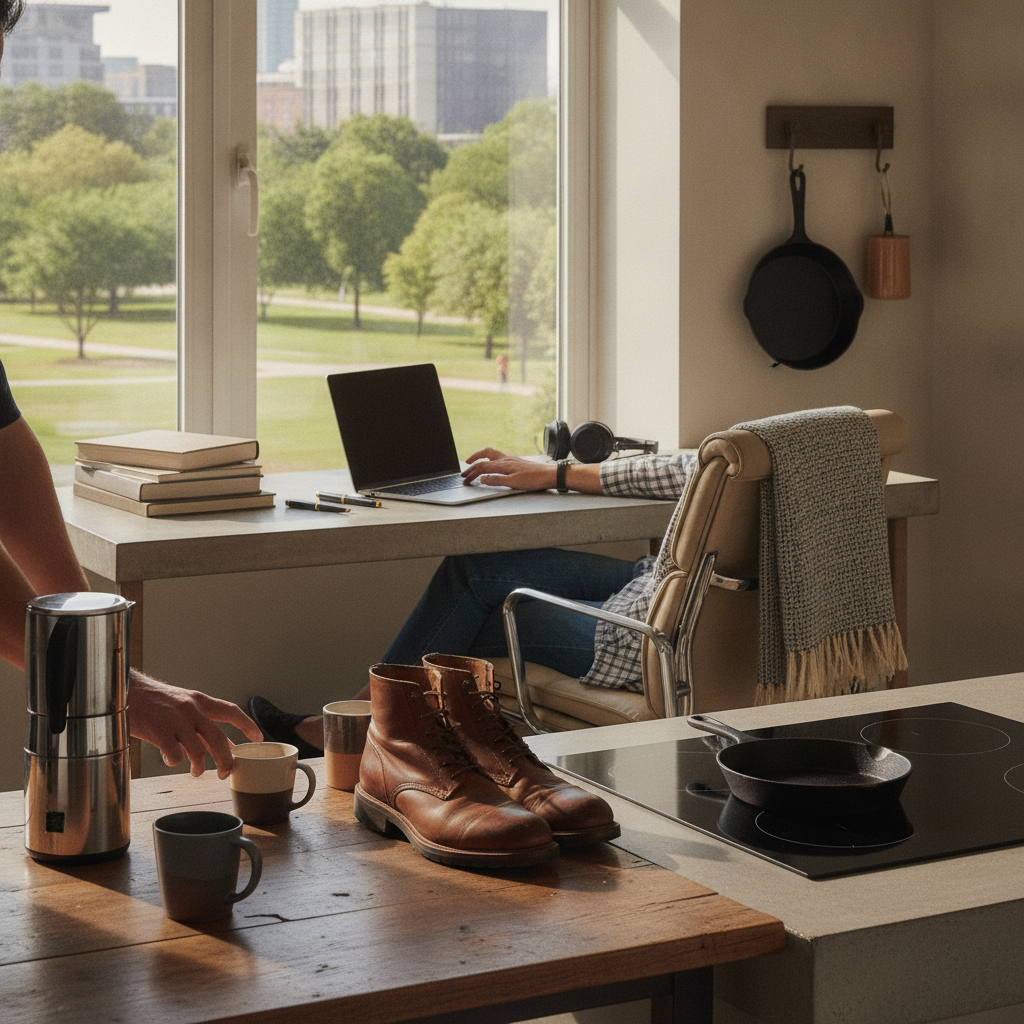
Most people evaluate purchases by the sticker price alone, which is one of the most reliable ways to consistently overspend on the wrong things and underspend on the right ones. Price-per-use thinking flips that calculation entirely. Instead of asking what something costs upfront, it asks what something costs each time it gets used — a small shift in framing that quietly changes almost every spending decision worth making.
The Simple Math Behind Smarter Spending
Price-per-use is straightforward arithmetic. Divide the cost of an item by the number of times it realistically gets used, and the result tells a far more honest story than the price tag ever could. A forty-dollar pan used twice sits at twenty dollars per use. A two-hundred-dollar pan used four times a week for five years lands well under a penny per use. That gap is where smart spending lives — and once the calculation becomes habitual, it starts to feel almost automatic when evaluating any purchase.
Where the Calculation Favors Quality Most Clearly
Certain categories of everyday items reward investment more reliably than others. Footwear is a strong example. A pair of well-constructed leather shoes from a brand like Clarks or Allen Edmonds, resoled once or twice over a decade, outperforms three or four cheaper replacements in both comfort and total cost. Kitchen knives follow a similar pattern. A quality chef's knife from Wüsthof or Global, used daily for years, costs a fraction per use compared to a budget knife that dulls quickly and eventually gets discarded. High-frequency, long-lifespan items are where the math works hardest in the buyer's favor.
Where the Calculation Exposes Overspending
Price-per-use thinking is equally useful as a check against overspending on items that sound premium but don't earn their cost through use. Specialty kitchen appliances are a familiar example — a high-end juicer, a pasta maker, or an elaborate coffee gadget purchased with good intentions but used only occasionally may carry a per-use cost that never justifies the price. The same logic applies to clothing bought for aspirational occasions that don't materialize. Fast fashion purchased frequently at low prices can actually carry a higher long-term cost than a slower, more deliberate wardrobe built around pieces worn consistently across seasons.
Everyday Essentials That Often Deserve More Budget
Beyond obvious categories like shoes and knives, several everyday essentials frequently get underbudgeted because they don't feel exciting. Bedding and pillows are used for roughly a third of every day, yet many households treat them as afterthoughts. A quality mattress topper or a set of durable sheets from a brand like Parachute or Brooklinen, used nightly for years, carries a remarkably low per-use cost. The same logic applies to reusable bags, water bottles, and everyday bags like backpacks — items that leave the house regularly and interact with daily life in consistent, cumulative ways.
When Lower Price Still Wins the Calculation
Price-per-use thinking doesn't automatically favor expensive items. For goods with a genuinely short useful life — seasonal decorations, trend-driven accessories, or items tied to a temporary need — a lower price may still produce the better per-use value. A cheap umbrella that gets left somewhere or a basic storage bin purchased for a move doesn't need to be a premium product. The key is honesty about how often and how long something will realistically be used. Overestimating use frequency is one of the most common traps in the calculation, and it leads to the same regretful purchases as ignoring the math entirely.
Applying the Framework Before You Buy
When you're standing in a store or scrolling through a product page, price-per-use thinking takes about thirty seconds to apply. Start by estimating realistic weekly use — not best-case use. Multiply that by how many years the item will likely last in your hands. Then divide the cost by the total uses. If the number feels reasonable, the purchase is easier to justify. If it doesn't, that hesitation is worth respecting. Tools like a simple notes app or even a quick mental check before checkout are enough to make the habit stick. The goal isn't to overthink every purchase — it's to spend more confidently on things that genuinely earn their place in daily life.
Price-per-use thinking works because it reframes quality not as indulgence but as efficiency. The items worth spending more on aren't necessarily the most prestigious or the most expensive — they're the ones that show up reliably in everyday life and hold their value across repeated use. Applying this framework consistently leads to a clearer sense of where money does real work and where it quietly disappears, which is ultimately what smart spending looks like in practice.