Why Rotating a Small Set of Hobbies Seasonally Keeps Curiosity From Burning Out
Chris Martinez
07/21/2026
5 min read
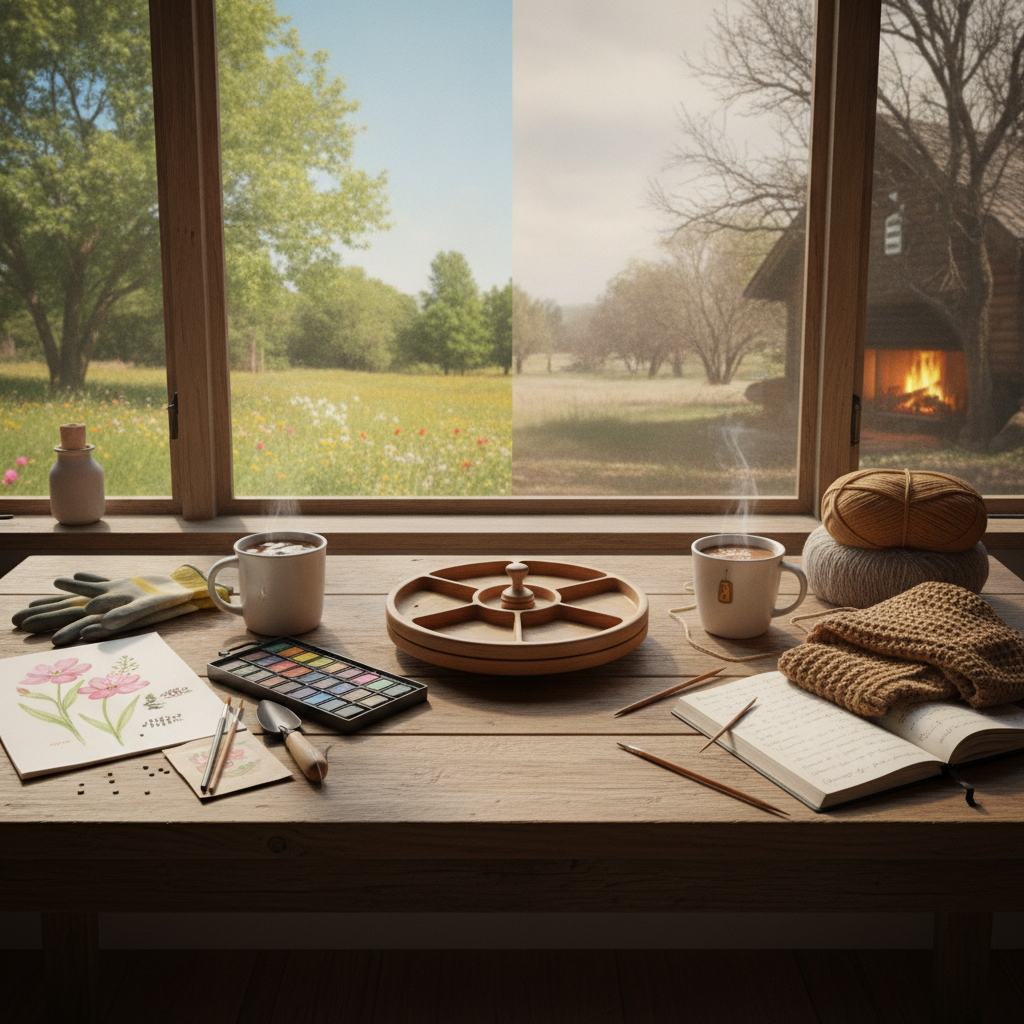
Sustained curiosity is one of the quieter forms of personal resilience — and like most forms of resilience, it requires careful management rather than constant exertion. The popular instinct is to find a passion and pursue it relentlessly, to master one craft or commit to a single creative outlet until it becomes a defining identity. Yet many people who take this approach eventually encounter a particular kind of fatigue that isn't physical: the creeping sense that an activity they once loved has started to feel like an obligation. The antidote, it turns out, may not be finding the right hobby — but rather building a rhythm that moves between several of them.
The Psychology Behind Hobby Fatigue
What makes a hobby feel joyful in the beginning is often its novelty — the way it asks something new from attention and offers small, frequent rewards in return. Over time, however, the brain habituates to familiar stimuli, and what once felt like discovery begins to feel like routine. This phenomenon, sometimes called hedonic adaptation — the psychological tendency to return to a baseline level of satisfaction regardless of new gains — affects creative pursuits just as much as material ones. When every Sunday watercolor session starts to feel like a chore rather than a refuge, the problem usually isn't the hobby itself. It's the frequency and the pressure of continuity.
How Seasons Provide a Natural Rhythm for Rotation
Seasonal rotation works partly because it borrows structure from nature itself — a system humans have organized around for centuries. Cycling through three or four hobbies across the year, letting each one rest while another takes its place, creates something closer to mushin (a Japanese concept from Zen philosophy describing a mind that is fully present and unburdened by expectation) than the relentless pursuit of a single discipline ever could. Winter might invite introspective activities like reading long-form history, learning a new language through platforms like Duolingo, or sketching in a quiet room. Summer opens toward the physical and social — cycling routes, outdoor cooking, urban foraging walks through a neighborhood like Portland's Sellwood district.
The Value of a Small, Curated Set
The seasonal rotation model only functions well when the set of hobbies remains small and intentional. Adding ten activities to a rotation doesn't create variety — it recreates the same scattered energy that causes burnout in the first place. Three to five pursuits, chosen because they genuinely complement one another, tend to produce the most sustainable cycle. A person might pair something physical with something reflective, or something solitary with something communal. The key is that each hobby in the set offers a meaningfully different kind of engagement, so that returning to one after several months away feels like picking up a conversation that was left at a good moment rather than starting over from scratch.
Rediscovery as a Feature, Not a Side Effect
One of the most underappreciated benefits of seasonal rotation is the quality of re-engagement it produces. Returning to watercolors in autumn after spending spring and summer on running trails creates a genuine sense of rediscovery — the materials feel interesting again, the pace feels like relief rather than retreat. This is sometimes called the return effect in behavioral psychology, and it operates on the same principle that makes revisiting a favorite city after years away feel richer than living there continuously. Apps like Strava or Notion can be useful for tracking not just progress, but the emotional quality of returning to something — a kind of informal personal archive of how each rotation felt.
Letting Go of the Mastery Imperative
One of the subtler obstacles to seasonal rotation is a cultural bias toward mastery. In many Western contexts, hobbies are quietly expected to produce outcomes — a finished project, a measurable skill level, a social identity worth sharing. The idea of setting down a guitar mid-plateau to spend a season on bread baking or nature journaling can feel like quitting, even when it's genuinely restorative. Shoshin, a Zen concept meaning "beginner's mind," offers a useful reframe here: it treats openness and non-attachment to outcomes as skills in their own right, more valuable in the long run than any single accomplishment. Seasonal rotation is, at its core, a practice of shoshin — returning again and again to the experience of starting fresh.
Building the Rotation Without Overthinking It
For you, the practical entry point into seasonal rotation doesn't require a detailed plan or a personality assessment. It starts with a simple audit: which activities have you genuinely enjoyed in the last few years, and which ones have started to feel like maintenance? From that list, choose three or four that represent different textures of experience — one that moves your body, one that quiets your mind, one that connects you to other people, one that produces something tangible. Then assign them loosely to seasons, not as rigid rules but as gentle invitations. Let winter be for the inward hobby. Let summer pull you outward. Keep the list somewhere visible — a note on your phone, a card on your desk — and trust that the rotation will do most of the work.
A Rhythm Worth Returning To
Curiosity, in the end, is not a resource that depletes through use — it depletes through monotony. The people who manage to stay genuinely interested in their own lives across decades tend to share a quiet habit: they allow themselves to move on before a passion becomes a prison. Seasonal hobby rotation is a formalization of that instinct, a way of honoring the fact that attention is cyclical, not linear. Just as the opening observation holds — that sustained curiosity requires management rather than force — so too does a well-considered rotation require patience rather than ambition. The goal is not to become expert at everything. It's to remain the kind of person who still finds something worth looking forward to when the next season turns.