Tokyo After Dark: Trendy Bars, Karaoke, and Urban Entertainment
William Foster
2025-12-17
6 min read
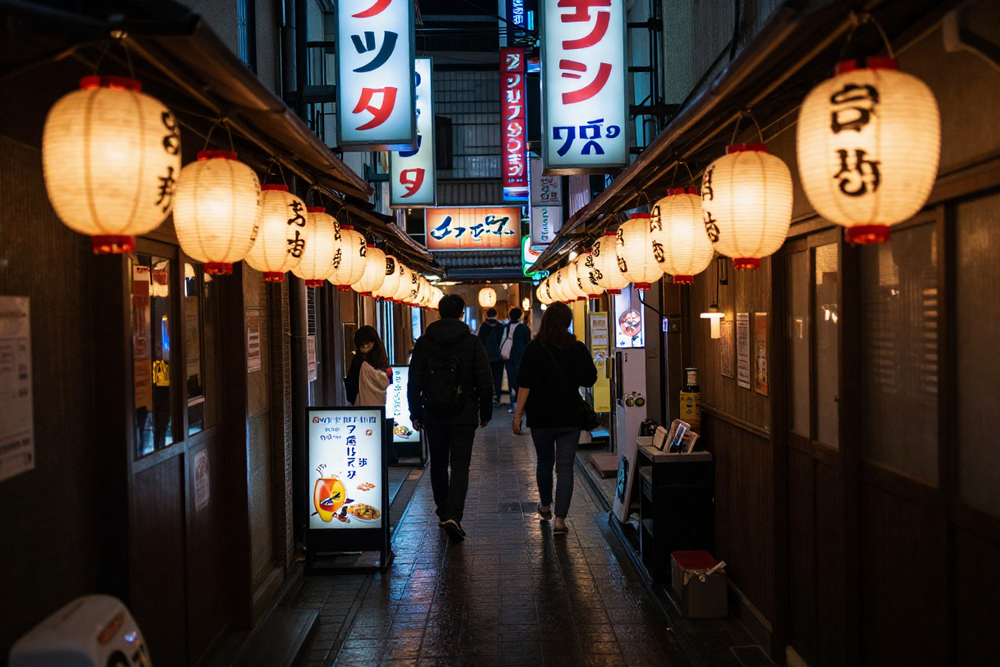
Tokyo, a city that never truly sleeps, offers a nightlife experience as diverse and vibrant as its sprawling neighborhoods. When the sun sets, the metropolis transforms, revealing a dazzling array of entertainment options, from sleek rooftop bars to neon-lit streets echoing with laughter and music. Tokyo after dark is an intricate tapestry of trends, tradition, and innovation, where locals and travelers alike converge to enjoy the city’s unique blend of urban charm and playful energy.
The Pulse of Tokyo’s Bar Scene
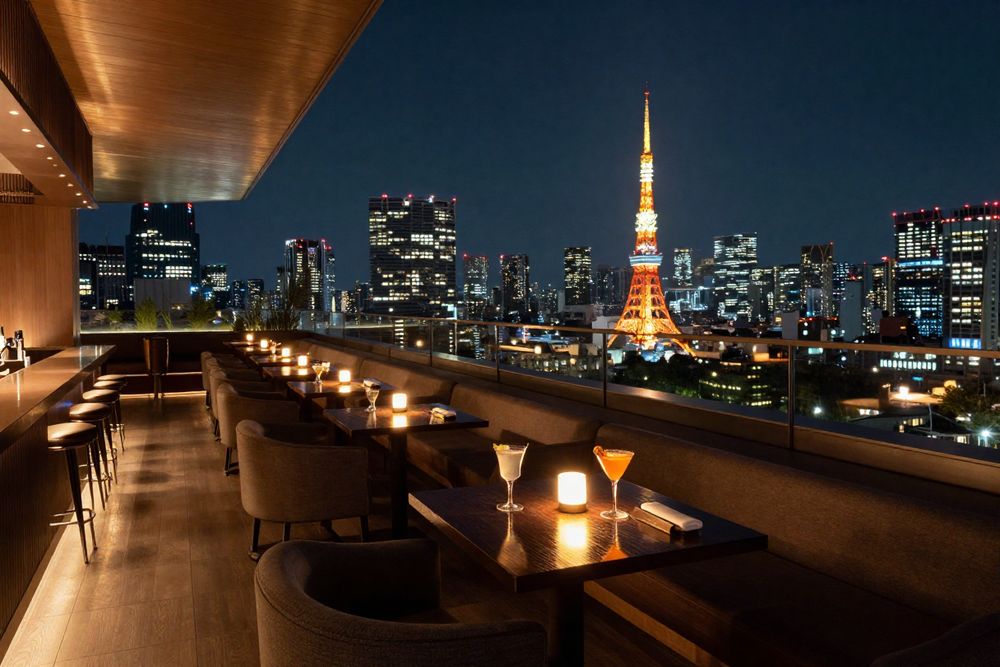
Tokyo’s bar culture is both sophisticated and adventurous. In districts like Shibuya and Shinjuku, stylish cocktail lounges and intimate speakeasies serve handcrafted drinks in atmospheres ranging from minimalist elegance to eccentric whimsy. Rooftop bars offer sweeping views of the city skyline, illuminating the contrast between Tokyo’s futuristic architecture and its quieter residential streets. Mixologists in these venues often experiment with local ingredients, transforming familiar flavors such as yuzu or matcha into inventive cocktails that reflect the city’s creative spirit.
Hidden alleys, especially in Golden Gai—a Shinjuku enclave of narrow lanes and tiny themed bars—offer a more intimate and idiosyncratic experience. Each establishment has its own personality, sometimes themed around jazz, literature, or even whimsical motifs, creating a sense of discovery with every door opened. This blend of polished sophistication and quirky charm defines Tokyo’s bar scene, encouraging both exploration and immersion.
Karaoke: A National Passion
No exploration of Tokyo’s nightlife would be complete without delving into karaoke, a quintessentially Japanese pastime that captures the city’s playful energy. Karaoke venues range from expansive multi-story complexes with private rooms to smaller, atmospheric establishments tucked away on side streets. Unlike the typical Western perception of karaoke, Tokyo elevates it to an art form, where technology, lighting, and music selection create a fully immersive experience.
For locals, karaoke is both a social ritual and a release, a space to express oneself freely and bond with friends or colleagues. Visitors quickly discover that the joy of karaoke lies not in flawless performance but in participation and spontaneity. From energetic pop songs to classic enka ballads, the diversity of music mirrors the city itself—vibrant, eclectic, and endlessly surprising. In many districts, late-night karaoke becomes a bridge between social connection and personal expression, making it a cornerstone of Tokyo’s nocturnal culture.
Neon Streets and Late-Night Exploration
Beyond bars and karaoke, Tokyo’s streets pulse with energy long after night falls. Areas like Shinjuku’s Kabukicho and Roppongi are renowned for their neon lights, bustling nightlife, and a sense of perpetual motion. Here, streets are alive with an array of entertainment options, including izakayas, themed cafés, and small live music venues. The city’s nocturnal landscape blends the commercial and the subcultural, creating spaces where visitors can observe the intersection of tradition and modernity in real time.
Neighborhoods like Shimokitazawa and Koenji offer a contrasting vibe. Known for their indie music venues, vintage shops, and bohemian atmosphere, these districts attract a crowd seeking alternative experiences beyond the mainstream nightlife hubs. Wandering these streets after dark reveals the eclectic and ever-changing face of Tokyo, from spontaneous street performances to small underground music events, emphasizing the city’s capacity to surprise and inspire.
Urban Entertainment and Late-Night Culture
Tokyo’s nightlife is not limited to traditional drinking or singing. Entertainment spans a wide spectrum, including themed cafés where patrons interact with performers, late-night gaming arcades that mix competition and spectacle, and even night-time shopping districts that remain lively until the early hours. Many of these experiences are deeply rooted in Japanese pop culture, reflecting the city’s innovation and willingness to blend fantasy with reality.
This expansive approach to entertainment also highlights Tokyo’s sense of community after dark. Despite the city’s vast size, its nocturnal spaces foster social connection. Groups gather around shared experiences, whether cheering in a karaoke booth, engaging in friendly competition at a gaming arcade, or simply enjoying conversation over drinks. The night becomes a canvas for human interaction, creativity, and spontaneous enjoyment, transforming urban spaces into dynamic social hubs.
Experiencing Tokyo After Dark
For visitors hoping to fully embrace Tokyo’s nighttime allure, preparation involves openness and curiosity. While guidebooks can point to popular bars and clubs, the city’s true magic lies in exploration. Small alleys, hidden staircases, and side streets often conceal the most memorable encounters—whether it’s a tucked-away jazz bar, a quirky theme bar, or a lively karaoke room filled with local voices. Patience and willingness to venture off the beaten path often lead to the most authentic and captivating experiences.
Tokyo after dark is a study in contrasts. It juxtaposes sleek sophistication with playful eccentricity, tradition with innovation, and solitude with collective exuberance. Every neighborhood offers a unique rhythm, every venue a different mood, and every night the potential for discovery. Whether navigating the neon-lit streets, singing in karaoke rooms, or sipping cocktails under starlit skies, Tokyo invites visitors to immerse themselves in a world that is as endlessly fascinating as it is uniquely Japanese.
More Trending Articles

Working With International Real Estate Agents: Tips for Smooth Transactions
Gabriel Watts
2026-02-04